
Jiangsu Kingshan New Materials Co., Ltd. Resin solution for COD removal
The influent wastewater quality is 2-naphthol wastewater and 2,3-acid wastewater, with COD of 1000/L and 300mg/L, respectively. It is recommended to use our company's AB103 resin model.
Based on the influent flow rate of 150m³/h and an operation time of 8000 hours per year
The first type of wastewater: Based on a flow rate of 5BV/h, 100 cubic meters per hour, 20 cubic of resin are needed (one for use and one for backup, totaling 40 cubic meters of resin).
The second type of wastewater: Based on a flow rate of 5BV/h, 50 cubic meters per hour, 10 cubic meters resin are needed (one in use and one in reserve, totaling 20 cubic meters of resin).
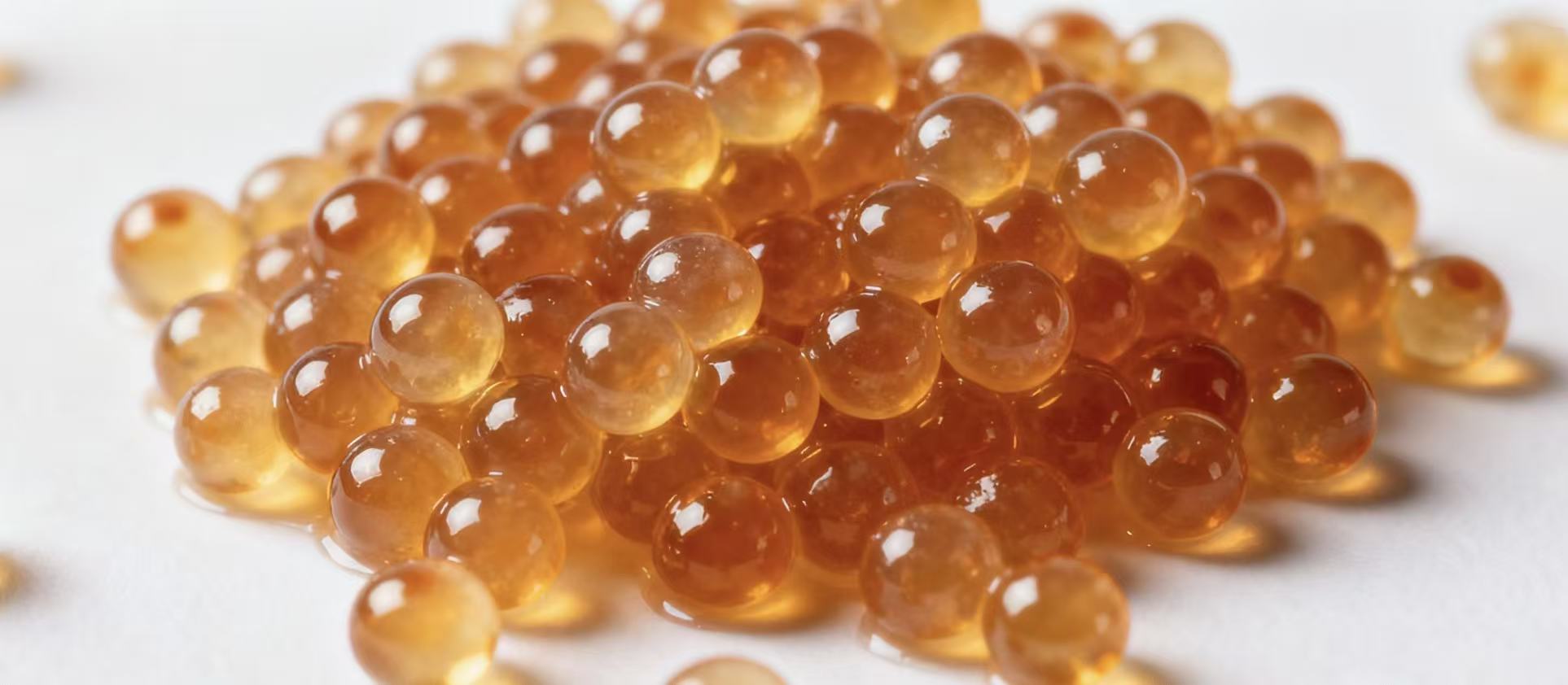
A total of 60 cubic meters of resin (one for use and one for backup) is required to treat the two types of wastewater. treatment with our company's AB103 macroporous adsorption resin, the COD content in the wastewater can meet the discharge standard.
Resin regeneration operation:
Backwashing:
Regenerate the resin with 3-4 times the resin volume of eluent (methanol, ethanol, or acetone, etc.) at flow rate of 1-2BV/h, collect fractions, and detect the content of the pre-removed substances, from which the desorption rate can be. After the process, wash the resin with three times the resin volume of pure water for later use.
Spent regenerant treatment:
The spent regenerant (i.e., the solution that flows out after the regenerant passes through resin) can be treated. For example, phenol or aniline, which are regenerated with acid or alkali, can be recovered by neutralizing the spentenerant. When organic solvents are used as regenerants, they can be recovered by distillation, and the organic compounds can be obtained
The AB103 macroporous adsorption resin has many significant advantages: Firstly, it has a large adsorption capacity, capable efficiently removing COD from wastewater, significantly reducing the COD content of the treated wastewater to meet national discharge standards. Secondly, it has strong selectivity, with specific ads capability for COD, able to accurately adsorb COD in complex wastewater systems without being overly interfered by other impurities. Thirdly, it is easy to regenerate with simple elution operations capable of regenerating the resin, greatly reducing treatment costs, and the resin can be reused multiple times, demonstrating good economic performance. Fourth, it is easy to operate, not requiring complex equipment or cumbersome operating procedures, making it easy to promote and apply in industrial settings.