


Slow-Feed Wire EDM 110: Mixed Bed Resin Water Quality Optimization
I. Project Background and Core Requirements
A precision mold manufacturing company specializing in high-precision mold production for automotive parts introduced EDM110 mixed bed resin specifically for wire EDM to meet the requirements for mold dimensional accuracy and surface roughness. The core requirements are stable control of working fluid conductivity, improved machining accuracy, extended resin lifespan, and reduced overall production costs.
II. EDM110 Resin Technical Characteristics and Adaptation
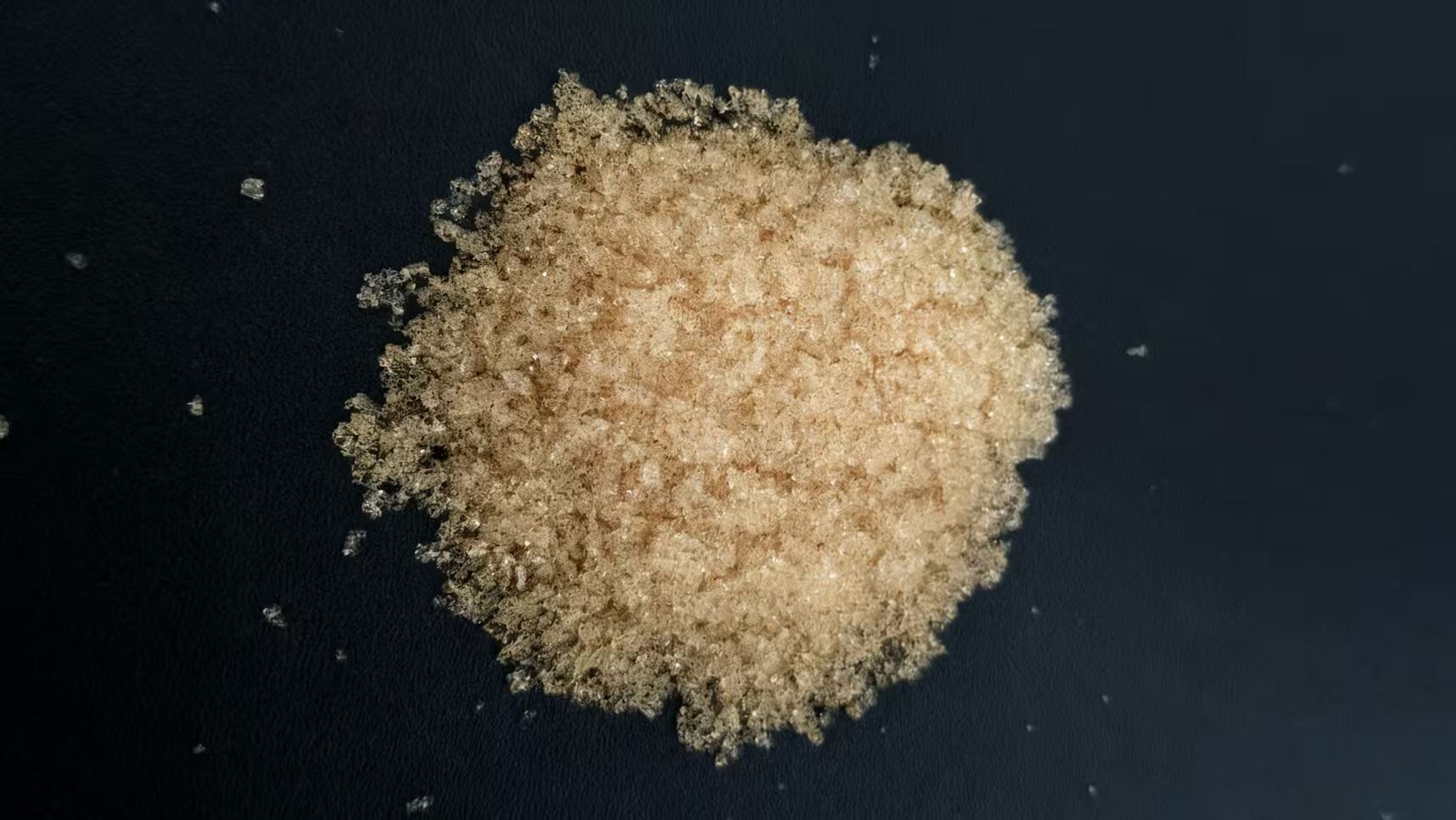
Premixed Transformation Design: Highly transformed and premixed according to specific stoichiometric ratios, eliminating the need for on-site mixing; directly added to the resin tank for use, simplifying the operation process.
High-Efficiency Ion Exchange: A blend of gel-type strong acid cation and strong base anion exchange resins achieves a removal rate of over 99% for inorganic ions and heavy metal ions such as Fe and Cu, ensuring working fluid purity.
Stable Operation Advantages: Uniform resin particle size, low system pressure drop, large working exchange capacity, and the ability to maintain a working fluid conductivity ≤20μS/cm over the long term.
III. Implementation Process and Key Controls
Resin Replacement: Remove the existing, expired resin and directly replace it with EDM110 special mixed-bed resin. Perform venting and debugging of the working fluid circulation system according to machine tool requirements.
Process Monitoring: Monitor the conductivity of the working fluid in real time during processing and record performance changes within the resin's service life to ensure the stability of the electrical discharge machining (EDM).
Process Matching: Adjust the working fluid circulation speed in the resin tank according to the pulse parameters of the slow wire EDM machine to ensure precise matching between ion exchange and processing rhythm.
EDM110 specialized mixed-bed resin solves the core problem of insufficient working fluid purity in slow wire EDM machining through its highly efficient ion exchange performance. Its ready-to-use nature simplifies the operation process, its long-term stable performance reduces maintenance costs, and it significantly improves the machining accuracy and surface quality of precision molds, providing a reliable water quality optimization solution for demanding machining scenarios.