
Jinsan Titan Gallium Resin: A Green Engine for the Recycling of Rare Metals
I.Technology introduction: the core of efficient adsorption and recycling
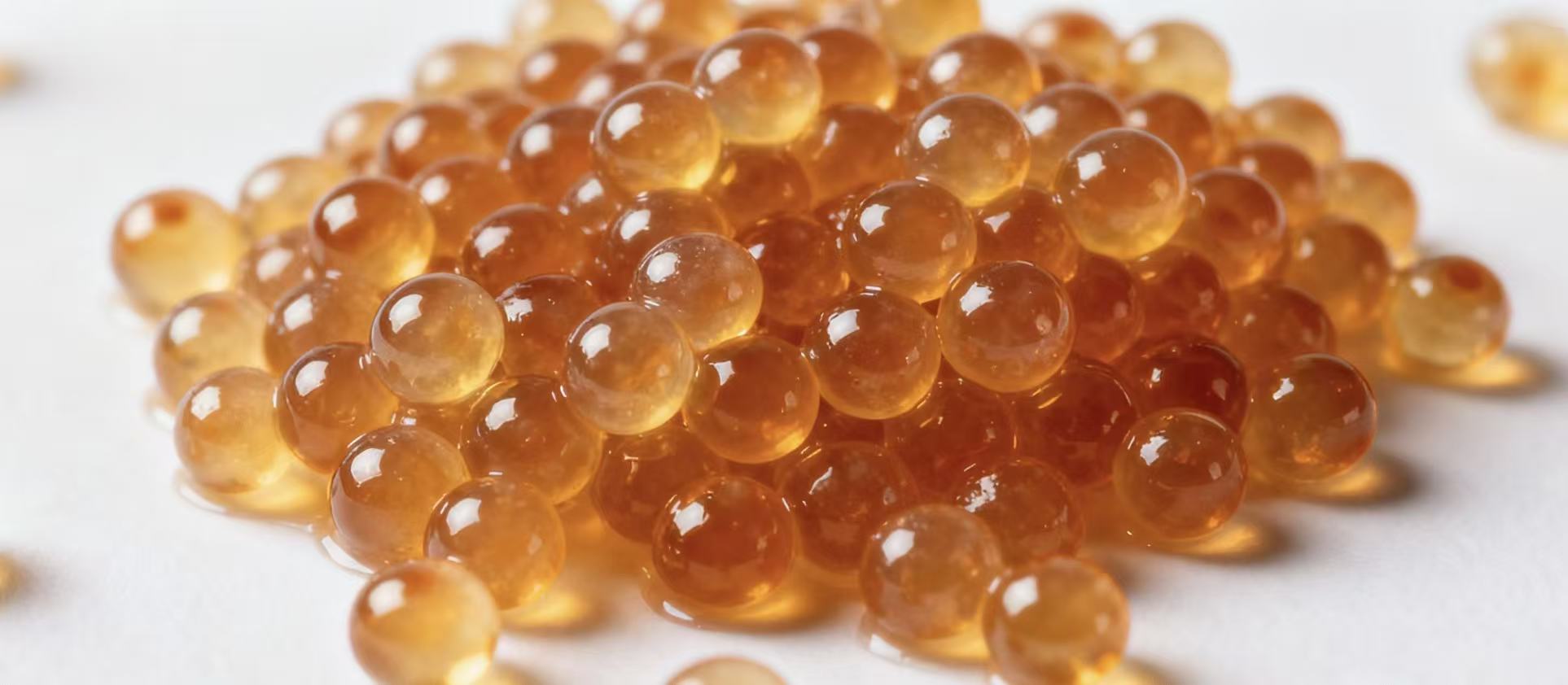
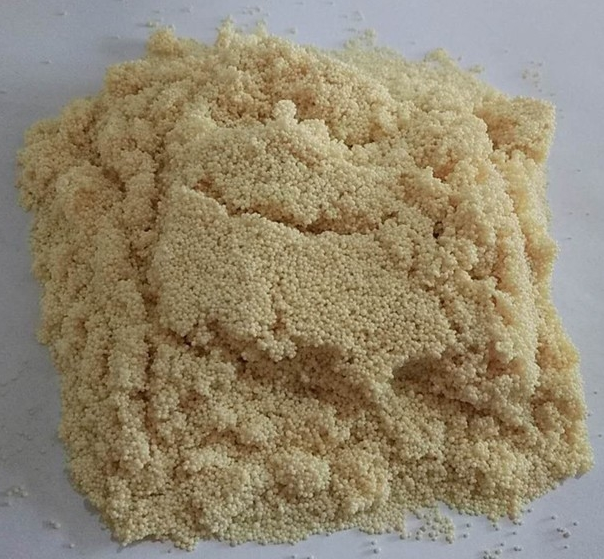
Gallium extraction resin is a functional material based on the principle of chelating adsorption, designed for the selective capture of gallium ions (Ga³⁺) from low concentrations of complex solutions. Its core advantages are:
1. High selective adsorption
The resin skeleton contains hydroxyxime group (=NOH) and amino group (-NH₂) bifunctional groups, which form a stable five-membered cyclic chelate with Ga³⁺, and the selectivity coefficient for gallium is K_ {Ga/Al} > 120, which can completely separate interfering ions such as aluminum and indium.
2. Excellent physical and chemical properties
The adsorption capacity is up to 4.0 mmol/g (3.0 mmol/g ≤ traditional resin), and the pore structure is optimized (specific surface area ≥ 65 m²/g) to accelerate the solution diffusion.
It has strong acid and alkali resistance (pH 0~14), high mechanical strength, can be recycled more than 4000 times, has a regeneration loss rate of <3%, and has a lifespan of more than 5 years.
3. Environmental protection and economy
Compared with the traditional precipitation method, the resin method reduces the recycling cost of gallium per ton by 40%~60%, reuses 100% of wastewater, reduces carbon emissions by 70%, and achieves zero toxic by-product emissions
II.Application scenarios: from industrial waste liquid to strategic resource closed-loop
1. Alumina Bayer mother liquor extraction gallium
Raw material characteristics: gallium concentration 0.05~0.2 g/L, high alumina background (50~100 g/L), strong alkalinity (pH 12~13).
Process scheme: The resin is dynamically adsorbed at a flow rate of 3 m/h using a fixed bed adsorption tower, and the gallium recovery rate is > 95%. The annual treatment of 1000 m³/d waste liquid can recover 50 tons of gallium, with an output value of more than 250 million yuan.
2. Zinc smelting waste liquid gallium enrichment
Technical difficulties: The gallium concentration is only 0.01~0.1 g/L, and the zinc ion interference (5~10 g/L) needs to be pre-neutralized to pH 5~6.
Solution: Acid-resistant resin combined with a dense moving bed system can achieve 100 times the gallium enrichment factor (0.1 g/L→10 g/L), 100% wastewater reuse rate, and 80% reduction in hazardous waste treatment costs.
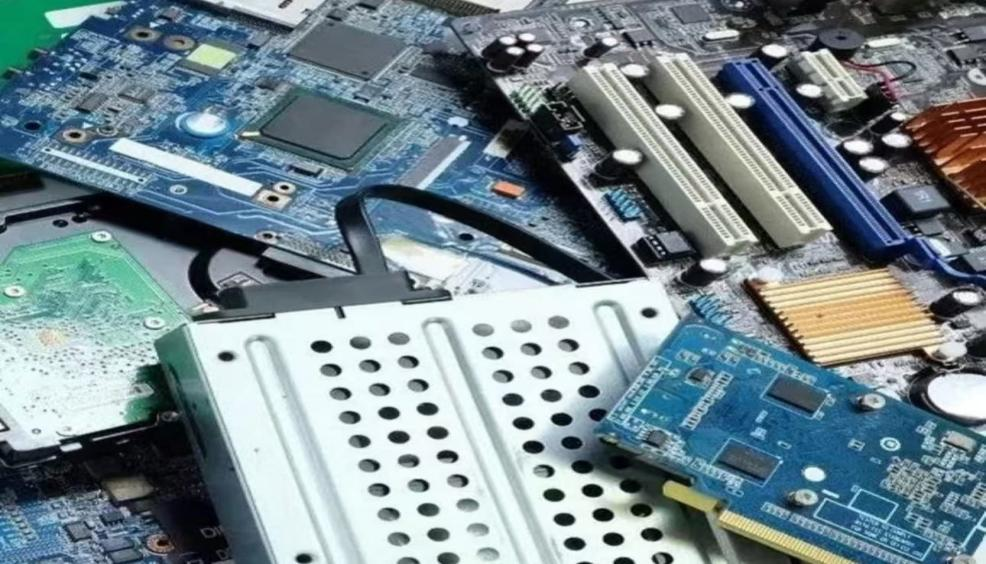
3. E-waste recycling
Efficiently extract gallium from waste semiconductor acid leaching solution (containing gallium 0.5~1 g/L, pH 0.5~1.5), simultaneously remove heavy metals such as copper and nickel, with a recovery rate of > 95%, complying with RoHS directives, and helping the resource recycling of the electronics industry.
III.Strategic value: a heavy weapon to break the shackles of resources
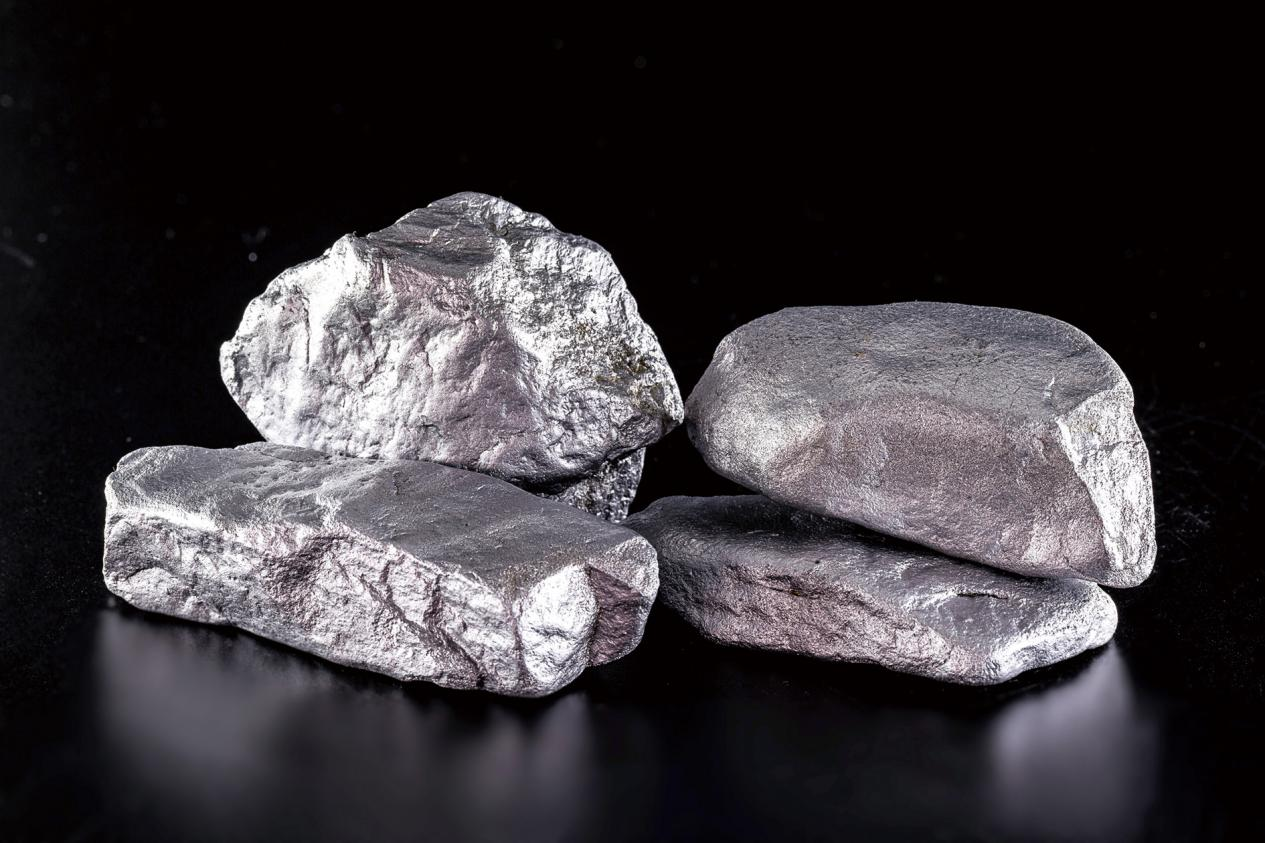
The dependence on gallium imports exceeds 75%, and the resin method promotes the recovery rate of gallium by-products of aluminum smelting to 95%, ensuring that the semiconductor industry chain is independent and controllable. Green cycle paradigm: replace high-pollution smelting with the closed loop of "adsorption-regeneration-electrolysis", promote the low-carbon transformation of electrolytic aluminum, coal chemical and other industries, and become a global benchmark for sparse metal recycling. From industrial waste liquid to electronic waste, gallium resin leverages the 100 billion resource recycling market with molecular-level precise capture. Behind it is not only technological innovation, but also a breakthrough declaration from "following" to "leading" in the field of key strategic metals.