
Boron removal from polysilicon
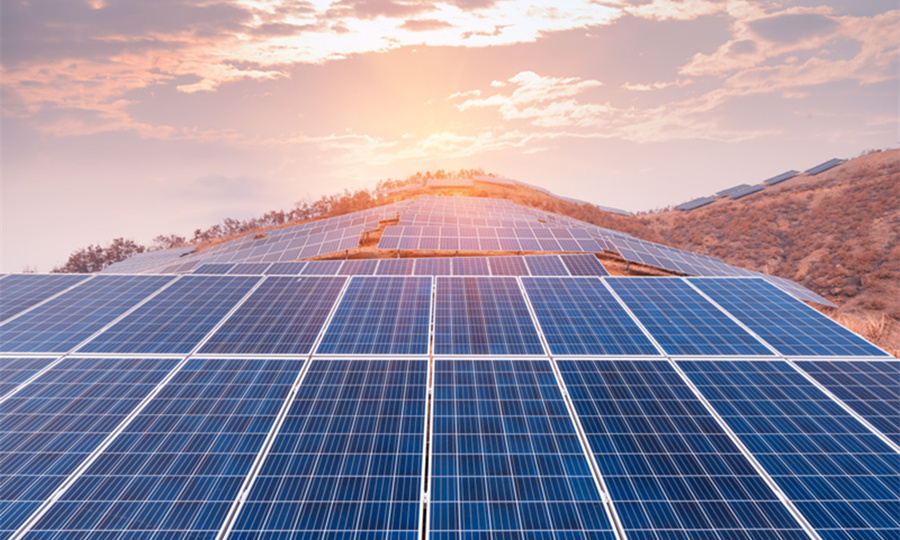
With the continuous development of the photovoltaic industry and the semiconductor industry, the requirements for the purity of polysilicon are getting higher and higher. In semiconductor-grade polysilicon, the impurity content is usually required to be at a level of one part per billion (ppb) or even lower. For example, for electronic-grade polysilicon, the boron content is required to be less than 0.1ppb. In photovoltaic-grade polysilicon, although the purity requirement is slightly lower than that of semiconductor grade, boron impurities also need to be controlled within a certain range to ensure the performance and service life of solar cells.
BD501 is a resin dedicated to boron removal, and its advantages are:
High-efficiency selective adsorption
Ion exchange resins have special chemical structures and functional groups, which can selectively adsorb boron ions efficiently.
Recyclable
Ion exchange resins can be regenerated after adsorption saturation. Generally, appropriate chemical reagents (such as acids, alkalis, etc.) are used for elution and regeneration to restore their adsorption capacity.
Mild operating conditions
Compared with some traditional boron removal methods, such as high-temperature zone melting or strong oxidation, the operating conditions of ion exchange resins are relatively mild. It can usually perform adsorption operation at room temperature or slightly elevated temperature.
Application case:
A polysilicon enterprise in a province uses our BD501 for polysilicon boron removal, and the boron content is less than 0.1ppb, which meets customer requirements.