
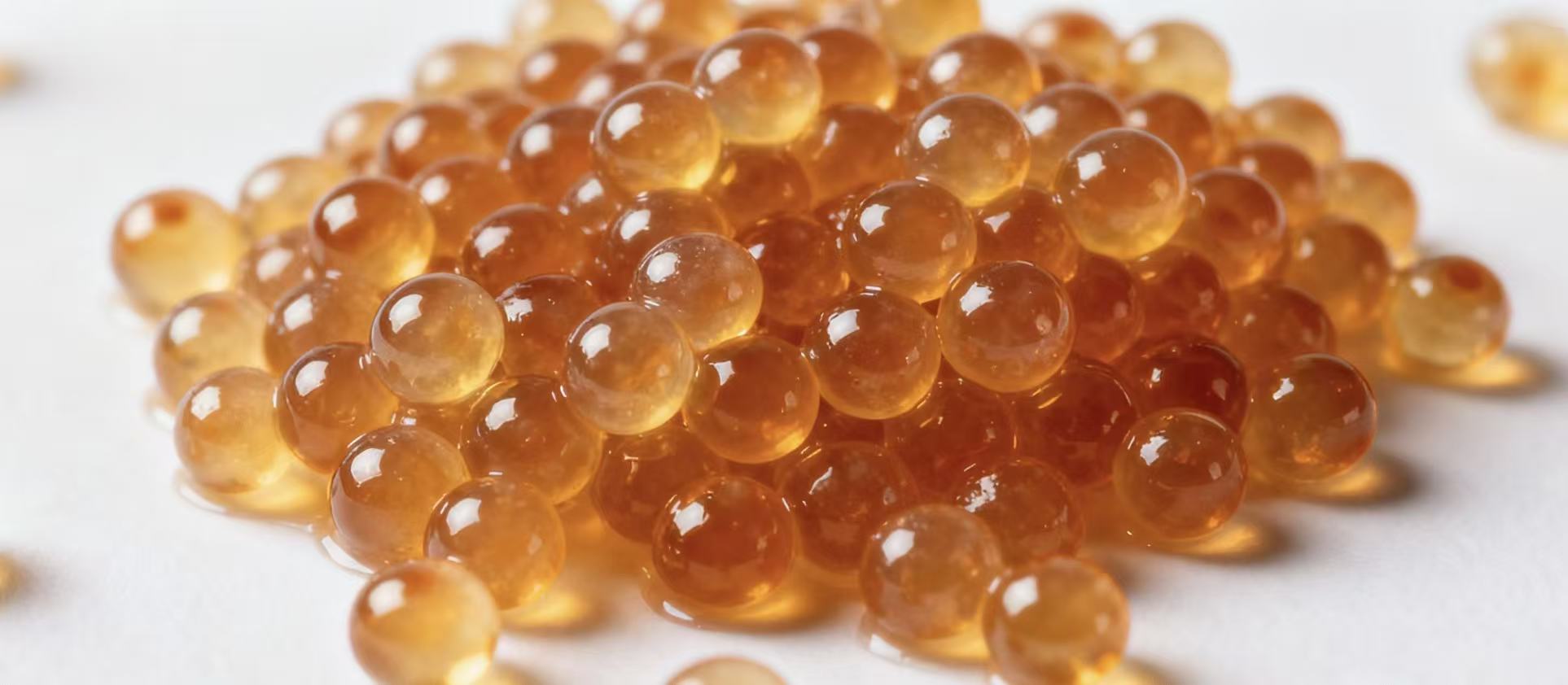


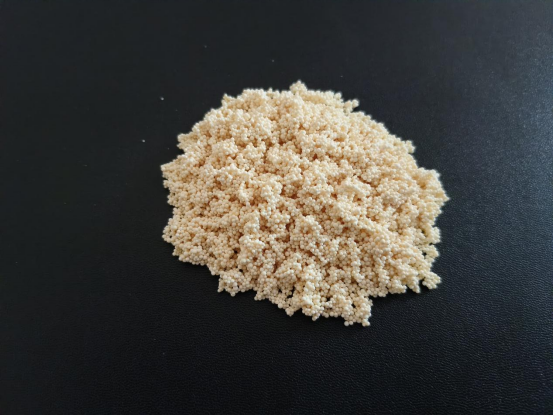
BD501 ultrapure grade boron resin in semiconductor companies.
I. Project Background: Boron Contamination Treatment at a Semiconductor Company
A leading semiconductor company needs to strictly control the boron concentration in its final ultrapure water to below 5 ppt. However, even after traditional RO+EDI processes, residual boron in the water remains consistently at 420-450 ppt, far exceeding the standard limit. Trace amounts of residual boron can interfere with the conductivity and resistivity of silicon wafers, damage device channel structures, and become a key obstacle to the implementation of advanced processes.
Therefore, BD501 ultrapure water-grade boron removal resin is required for fine treatment.
II. Process Stability Requirements:
The production line requires a 24-hour continuous water supply, and the resin must possess long-term oxidation resistance and high strength to prevent broken resin particles from clogging the equipment during operation. Simultaneously, the regeneration efficiency must match the production rhythm.
III. Solution:
Process Design of BD501 Ultrapure Water Grade Boron Removal Resin
Addressing the project's pain points, the technical team adopted a four-stage ultrapure water preparation process: "RO deep desalination + EDI ion removal + BD501 boron removal resin fine treatment + polishing mixed bed." The core step involves introducing BD501 ultrapure water grade boron removal resin for downstream fine treatment.
BD501, a chelating resin specifically developed for ultrapure water applications, possesses unique functional groups that can form stable complexes with borate ions. Its selectivity for boron far exceeds that of ordinary anions and is unaffected by coexisting ions such as Na⁺ and Ca²⁺.
IV. Application Results
1. Comprehensive Compliance with Water Quality Standards
The boron concentration in the effluent from the BD501 resin tower is consistently maintained at 3-4 ppt, far below the process upper limit of 5 ppt. Simultaneously, the resistivity of the produced water remains above 18.25 MΩ·cm, and the TOC (Total Organic Carbon) content is <10 ppb.
2. Significantly Improved Production Efficiency After implementation, the defect rate of wafer photoresist development was greatly reduced. Simultaneously, the high strength of BD501 resin (sphericity after grinding ≥95%) reduced the equipment clogging failure rate to zero, while also saving on equipment maintenance costs.