
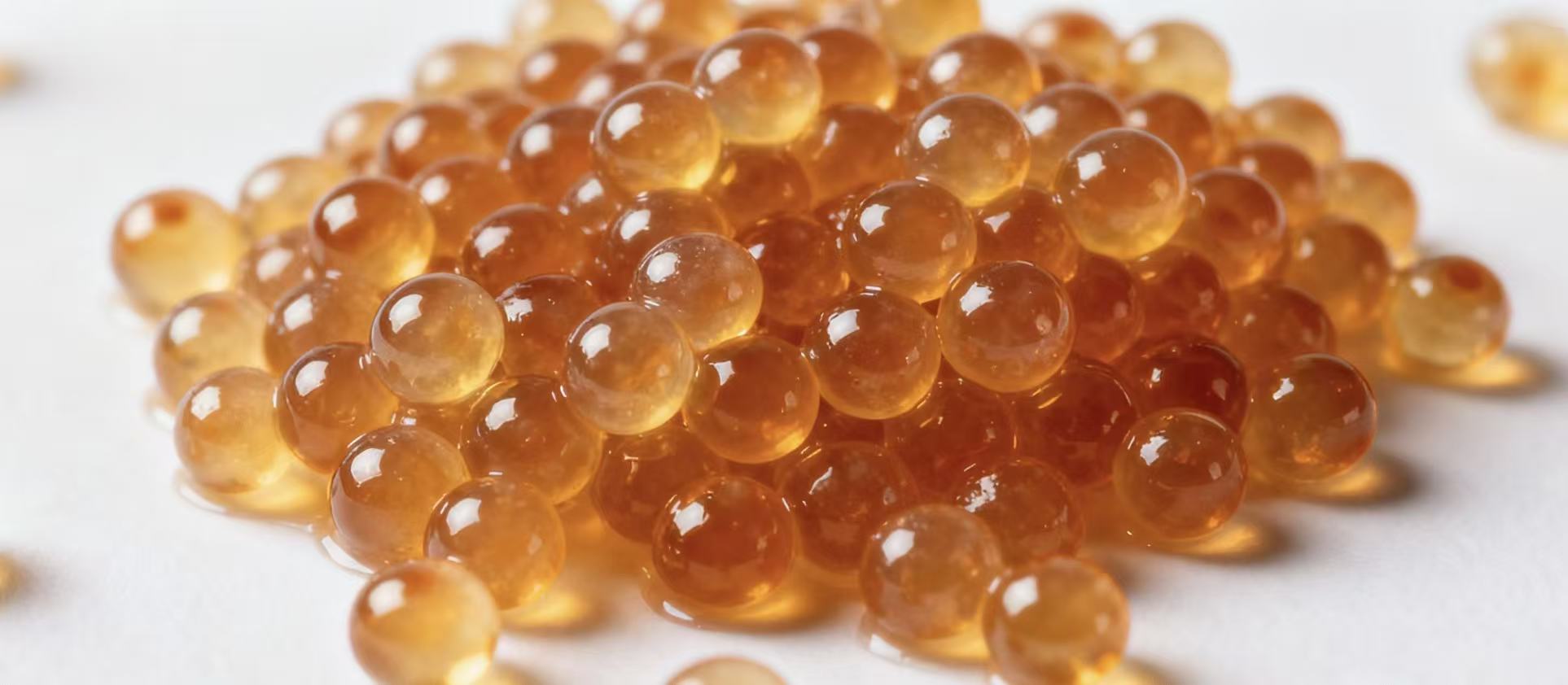

Unlocking the new secret of phenol alkylation Magic resin catalyst BCH-65
Jiangsu Kingshan New Materials Co., Ltd. is mainly engaged in the research and development, production and sales of adsorption and separation materials. It has two production bases with an annual output of 260,000 cubic meters. Kingshan has developed and produced a variety of resins for chemical catalysis, such as esterification and etherification in the petroleum industry, purification and catalysis of biodiesel, calcium, magnesium, barium and strontium removal in the chlor-alkali industry, as a catalyst in the synthesis of bisphenol A, catalytic synthesis of MTBE and TAME, phenol alkylation, etc.
In the field of organic synthesis, phenol alkylation plays an important role, and resin catalysts are the key factors to promote the efficient progress of this reaction. Resin catalysts have abundant active sites, which can effectively reduce the activation energy of phenol alkylation reaction, thereby accelerating the reaction rate.
Case: A chemical company used BCH-65 in the process of phenol alkylation to produce p-cumylphenol, and achieved remarkable results. The company used traditional catalysts, and the reaction conversion rate could only reach about 65%, and the product selectivity was poor. The target product p-cumylphenol accounted for about 70% of all products. After using BCH-65, the reaction conditions were optimized, the reaction conversion rate was greatly increased to more than 90%, and the selectivity of the target product p-cumylphenol reached 92%, greatly improving the production efficiency. In addition, from a cost perspective, the stability and reusability of the resin catalyst also brought significant cost savings.